
Deregulation 3.0: Nobel Prize in Economics Shows the Way Forward
The Government of India is preparing to roll-out Deregulation 3. The challenge is how to make this round truly transformative and this year’s Nobel Prize provides some guidance on the way forward.
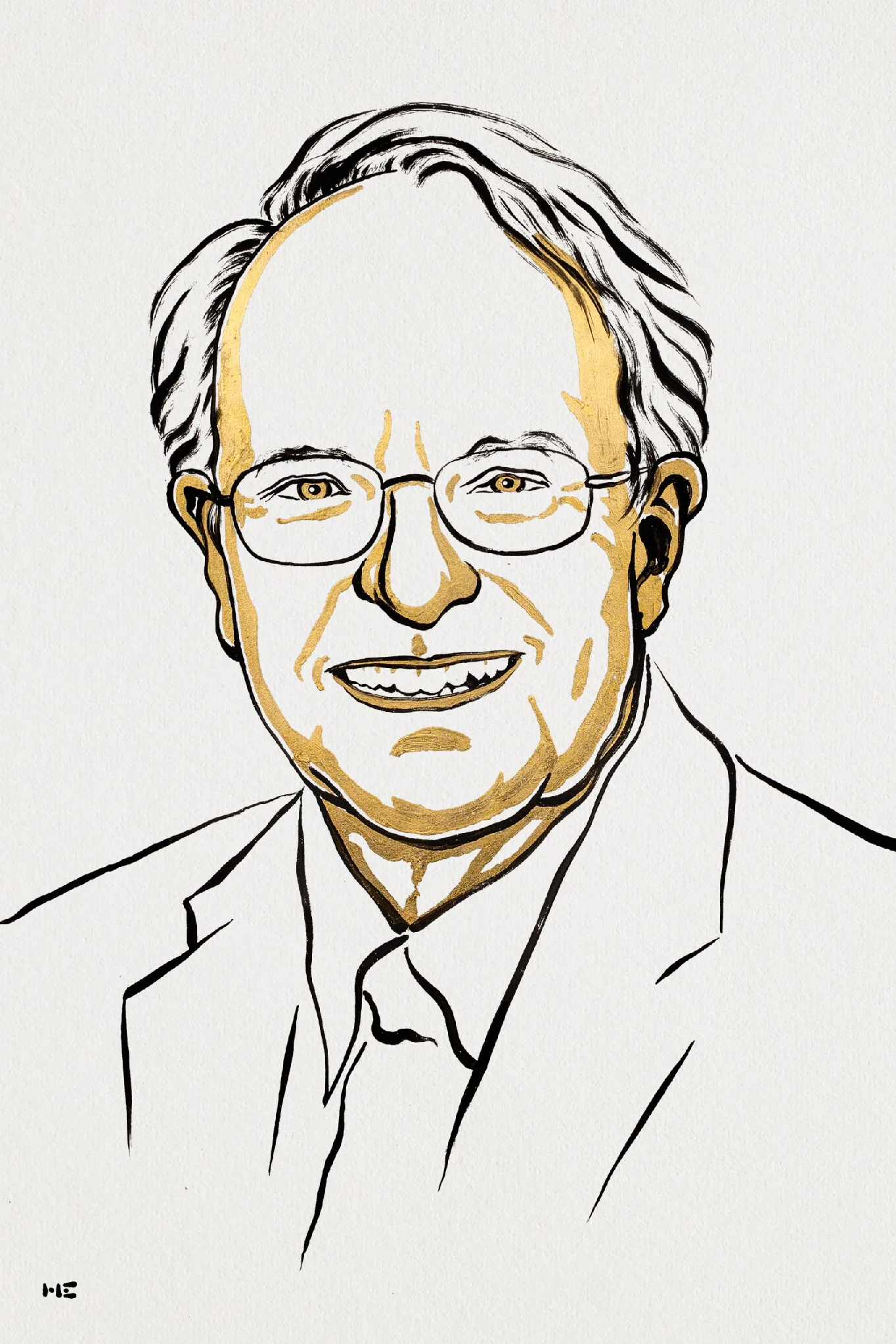
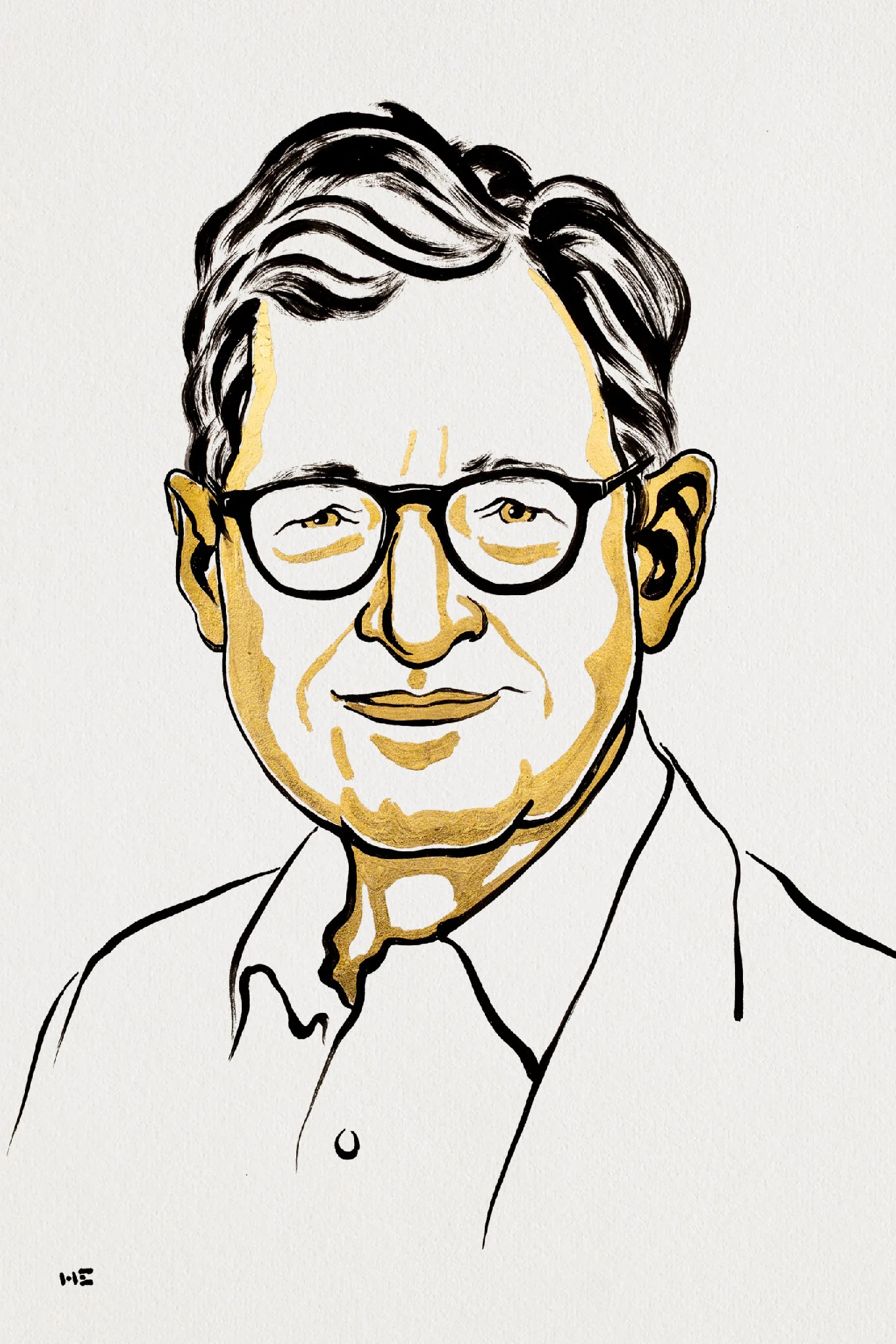
On 12th October 2026, the Nobel Prize in Economics went to Robert E. Hall of Stanford and Michael Woodford of Columbia for “microeconomic foundations of macroeconomic stabilization”. In simple words, they taught governments that the economy is not a machine you fix by pulling levers. It is people you influence by shaping what they expect tomorrow.
Hall showed in 1978 that households like stability. If you give a family Rs. 10,000 extra this month, they will not spend it all. They will save most of it because they think about next year - will I have a job, will school fees rise? They smooth consumption.
Woodford’s insight was simple but powerful: people are forward-looking. If RBI says today, “we will keep interest rates low for two years”, families feel confident about the future and buy a house today, and companies invest today. What government says about tomorrow is as powerful as what it does today.
How this explains India's deregulation problem
In the last 5 years, India has announced the removal of 1500+ compliances, decriminalization of 3000+ provisions under the 2023 Jan Vishwas Act, single-window, self-certification, faceless assessment. This was the first phase. Now, the time has come to move to the second phase by making regulations more predictable.
For example, Government says the e-way bill threshold is Rs. 50,000; no entry tax, no physical check post. But a transporter knows that state GST flying squads still stop trucks for e-invoice mismatches, municipal octroi in some states still exist under different names, and the e-way bill portal has surprise updates. So, the transporter keeps two sets of invoices, keeps extra cash for on-road settlements, or does not invest in GPS or cold-chain trucks that needs 5-year payback. Predictability low, investment low.
What regulatory-forward guidance looks like
Woodford’s solution for monetary policy is to give forward guidance, that is, tell people the future path of policy, and stick to it. India needs the same for regulation.
Step 1: Make deregulation irreversible, not announced. A circular removing a compliance can be brought back by another circular next week. An Act amended by Parliament is believed because it is costly to reverse. Jan Vishwas worked because it changed the law itself: jail to penalty.
For example, instead of “Shop Act registration exempted for 3 years via notification”, write in State Shop law - “All enterprises with less than 20 employees shall be exempt from annual renewal and shall have a lifetime registration till they cross 20. No officer can call for renewal”. When a small factory owner sees the law changed, not just a portal message, the expectation changes.
Step 2: Publish a Regulatory Calendar. Today reforms come as surprises – on Monday the labour portal adds new return, on Tuesday the pollution board adds a new form, on Wednesday GSTN makes HSN mandatory. Surprise destroys expectation.
Like the RBI publishes monetary policy calendar in advance, DPIIT and states should publish Regulatory Calendar on 1st April every year: “These 10 compliances will be removed by Dec, these 5 Acts will have no amendment for 3 years, inspections will be only risk-based and all notices will come through one portal”.
Step 3: One expectation anchor, not many voices. Today, the Centre and States say ease of doing business, but the GST, labour and fire portals all act independently. Woodford showed that central banks need one credible voice. We need one Regulatory Management Authority that states that the total compliance time for a 20-worker factory will go down by 20% every year, and it will publish monthly report card.
For example, States could announce, “For white and green category industries under Rs. 10 crore investment, there will be one composite license valid for 5 years, covering labour, factory, pollution, fire. No separate renewals. Any new requirement will be announced only in April and will have 6-month transition. This promise is locked till 2030”. This one line does what Hall and Woodford prescribe: it measures micro-cost (hours saved), commits to path (till 2030), and communicates to shape expectation.
The real reform
Indian entrepreneurs are not afraid of tough rules. They are afraid of rules that change after investment. A pharmaceutical factory will happily comply with strict pollution norms if it knows those norms will not double next year and inspections will be data-based, not discretionary. A textile unit will invest in ETP if it knows power tariff and water charges have 3-year visibility.
We must go to the next level, where deregulation = more predictable government. This is in addition to the prevailing thinking that deregulation = less government. If we give a credible 5-year promise that rules will stay, companies will stop smoothing and start investing, exactly as households start spending when they believe low rates will continue. This will be the real transformation.