Reading Cities from Human Behaviour
Attention is the purest form of generosity. - Simon Weil
We can learn a great deal about a person’s intentions by paying attention to the small actions they take during everyday activities. The gym is a good example. Simply noticing whether someone returns their dumbbells to the proper rack can reveal a surprising amount about their character.
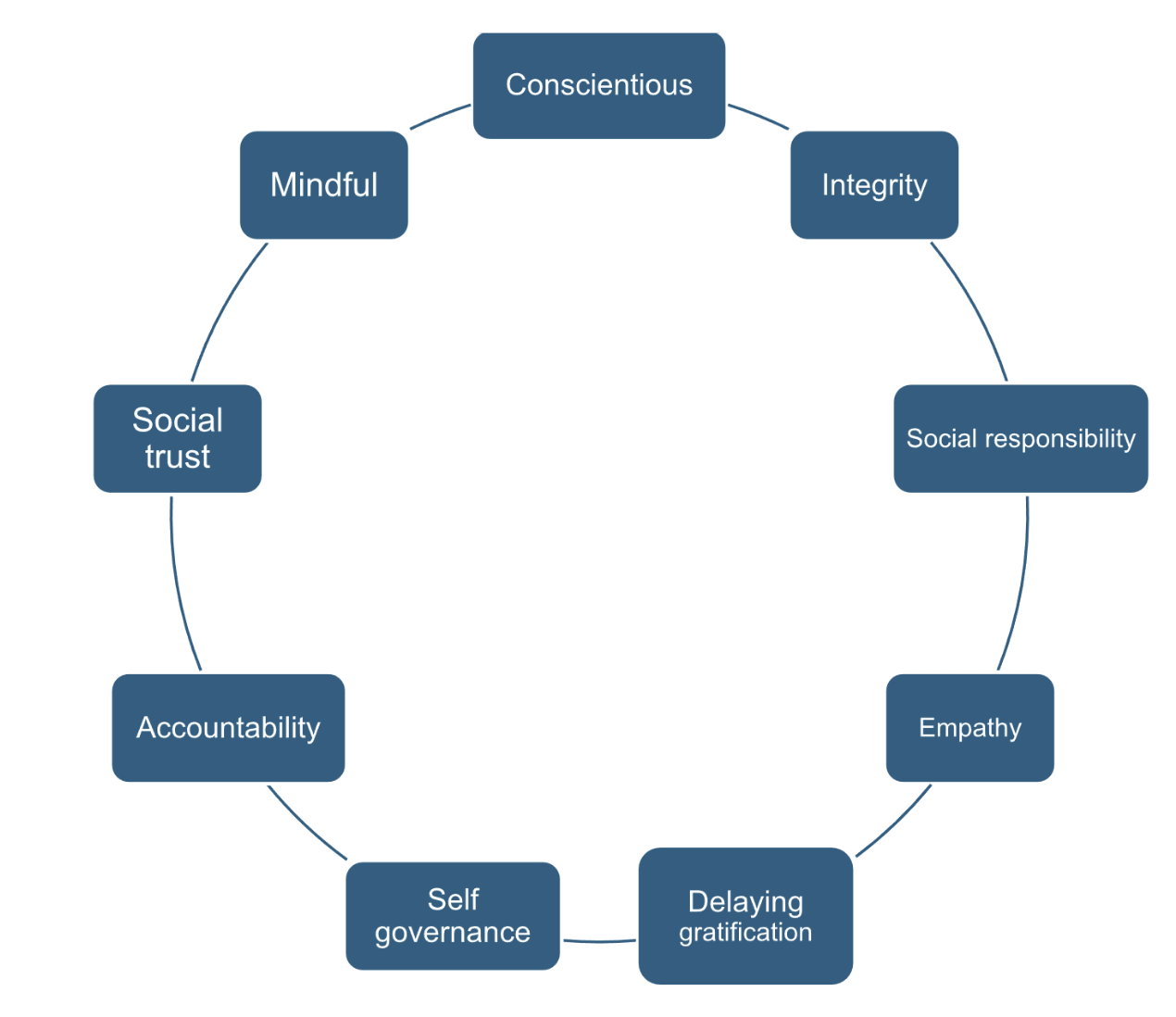
When people take responsibility for themselves and return dumbbells to where they belong, they often demonstrate several positive personality traits:
They are conscientious. They have the self-discipline and self-control to pursue and achieve their goals. Even a small act of consideration, such as returning equipment, shows that they can regulate their behaviour and follow through on their responsibilities.
They have integrity. They do the right thing even when no one is watching. Returning a dumbbell is voluntary, so doing it consistently suggests that a person respects social norms without needing to be forced.
They show empathy. Returning equipment benefits other people without providing any immediate personal gain. The act shows consideration for those who will use the space after them.
They have a sense of social responsibility. They are willing to accept a minor inconvenience if it makes things easier for others. They also respect shared spaces and understand that everyone has a role in maintaining them.
They can delay gratification. After finishing an exercise, it is tempting to move immediately to the next activity. Returning the dumbbells requires a person to pause and complete an additional task instead of seeking immediate convenience.
They demonstrate self-governance. They do what is right even when there is neither a reward for doing it, nor a punishment for failing to do it. This behaviour can offer a glimpse into their personal moral compass.
They are accountable. Leaving dumbbells on the floor usually carries no serious consequences, and there are rarely any legal repercussions. Yet some people still choose to return them because they hold themselves accountable for their actions.
They understand social trust. They recognize that society functions because individuals regularly engage in small acts of cooperation for the common good. Returning shared equipment is one simple example of that principle.
They are mindful. Making a habit of returning dumbbells suggests awareness of oneself, one’s surroundings, and other people’s needs. A mindful person notices what needs to be done and does the right thing without needing an immediate reward. These are summarized in the figure below:
This idea becomes even more interesting when we move from the individual to the macro-level, say, the city.
At the urban level, “reading the city” means understanding why things are the way they are. It requires us to look beyond the visible surface and understand the politics, economics, social relationships, and informal negotiations that allow a place to function. In Indian cities, in particular, this means looking beneath the apparent chaos and understanding the complex systems of negotiation and adaptation that operate within it.
Jane Jacobs taught us to pay attention to how cities actually behave, rather than simply how planners imagine they should behave. Cities reveal themselves through patterns - in physical spaces as well as in the flow of information. Reading a city therefore begins with paying attention and noticing what others may overlook: emerging opportunities, invisible risks, unheard voices, unmet needs, and the informal behaviours that keep urban life moving.
The same habit of observation that helps us understand a person can help us understand a city. At the individual level, we notice the small act of returning a dumbbell. At the urban level, we notice the small acts, patterns, negotiations, and adaptations that reveal how a city truly works.